
As a leader, it is paramount that you understand and get to know the people around you, bosses, colleagues, and even friends. As follows, your ability to listen is one of the vital leadership skills that will set you apart. How you listen to them and how that makes them feel are essential skills for you. That’s why it’s the first skill in this series.
Listen, we’ve all been there. Our manager is speaking at a meeting, or our friend is talking on the phone, but we are not listening; we are waiting our turn to speak, daydreaming or thinking about our plans for the evening.
Today’s fast-paced world, where our attention is a valuable commodity, pulls us into a hundred different directions and expects us always to be productive. So, how does that affect our ability to listen? Well, a lot.
Becoming an effective leader involves progressing through three distinct levels of listening, which is one of the most important leadership skills to master.
Level 1 – Passive Listening
At the foundation level, our natural programming tends to revolve around ourselves. We listen to others thinking about how the topic relates to us, or we only partially listen because our minds are preoccupied with other thoughts.
Most of the time, this translates into waiting for our turn to speak, and we often end up interrupting the speaking in our eagerness to share them. This is most predominant in group situations, where the moment to share will pass if you don’t share something immediately. But how many times have you been in a meeting, and before you could even finish your thought, someone jumped in and changed the topic?
While it’s acceptable in casual conversations, aspiring leaders elevate their listening skills beyond this stage.
Level 2 – Active Engagement
Listening at this level is an active exercise requiring focus and a conscious decision to give full attention to the speaker, asking clarifying questions that delve deeper into the speaker’s context. The leader’s intent is to understand the speaker without relating our personal experiences.
Two tools can help the aspiring leader practice this level.
Meditation is a practice that helps us recognise distractions and dismiss them (I’m simplifying). Conversely, the same technique can be used when listening intently to someone, especially in an environment with many distractions, such as a restaurant, a cafe, or an open office. If you keep changing your focus to one or another distraction, the listener will notice and feel not being heard.
Another tool for this level is asking clean questions. Remember, the aim is to understand without relating the information to personal experiences. Clean questions were designed to minimise the potential of using our biases in conversations.
Clean Questions
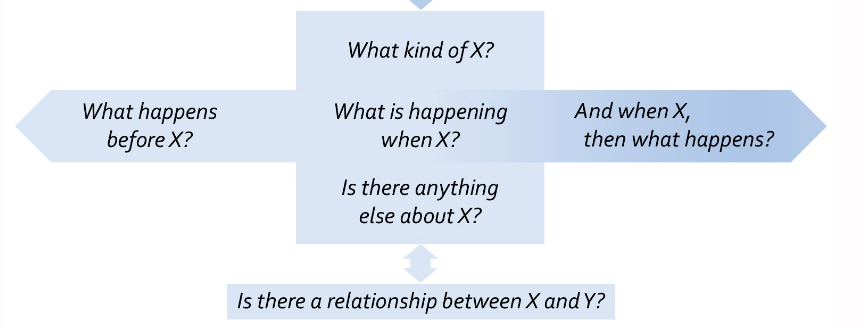
Try them out next time you are listening to someone.
Level 3 – Profound Understanding
The pinnacle of the listening skill goes beyond words. The leader at this level understands what’s happening around the speaker. What’s their worldview? Why are they saying this? What emotions are behind the story? What else is there to be aware of?
This profound understanding enables leaders to navigate complex situations, such as decoding emotions behind seemingly hurtful remarks or recognising the need for support hidden behind seemingly trivial queries.
That’s when, for example, your spouse says something a bit hurtful, and you would have taken it personally and been defensive otherwise, but you notice an emotion behind what they said, and in fact, they need support in their own pain.
Or when a colleague approaches with a silly question that you want to dismiss right away, but after the initial discussions, you notice beyond the words that, in fact, they wanted to talk about something more serious. The silly question was just an attempt to break the ice.
Just listening to their words will make you miss what’s behind them.
You only reach this level with a certain level of practice and intention. Staying on this level, however, is draining and unsustainable for more than a few hours.
Conclusion
Being one of the most important leadership skills, mastering the science of listening is central to effective leadership. Its transformative impact on relationships and communication underscores its significance in leadership effectiveness. Navigating through the levels of listening—from passive to profound—requires intentional practice. As distractions compete for attention, leaders who prioritise their listening skill cultivate a deep connection that extends beyond surface dialogue, ultimately defining their success in leadership roles.

Hi, I'm Andre Rubin
I'm a Leadership Coach with 17 years of experience in IT and working with 200+ leaders like you for 7 years to unlock their full potential.Book a free call
Heart of Leadership Series

Jul. 14, 2025
Heart of Leadership Series

Jul. 15, 2025
Listening – Essential Leadership Skill #1

Jul. 23, 2025
Mentoring and Coaching

Jul. 23, 2025
Cultivating Leadership Excellence: A Guide to Developing Others

Jul. 23, 2025
Vision: The Most Inspiring Leadership Skill

Jul. 23, 2025